Explore how drinking water is transformed through each stage of the purification process, from initial filtration to advanced treatment and quality testing. Learn how every step helps remove impurities and maintain clean, safe, and refreshing water for everyday hydration.
Clean and safe drinking water goes through several carefully controlled stages before it reaches your glass. Water purification removes unwanted particles, microorganisms, chemicals, and other contaminants while improving its taste, clarity, and overall quality. Understanding each stage helps you appreciate how modern water treatment systems transform raw water into reliable drinking water.
“Choosing pure, quality-tested water every day is a simple step toward better hydration, healthier habits, and a more refreshed lifestyle.”
1. Water Collection
The purification process begins with collecting water from a suitable source, such as groundwater, rivers, reservoirs, or other approved sources. The quality of the original water can vary depending on its location and environmental conditions, so the treatment process is designed according to the characteristics of the source.
2. Pre-Filtration
The first treatment stage removes larger physical impurities such as sand, dust, mud, leaves, and suspended particles. Screens and basic filters help prevent these materials from entering the later purification stages and protect the equipment used throughout the system.
3. Sedimentation
During sedimentation, heavier particles are allowed to settle at the bottom of a treatment tank. This reduces the amount of suspended material in the water and makes subsequent filtration more effective. It is an important step for improving water clarity before finer treatment begins.
4. Keep Your Water Supply Consistent
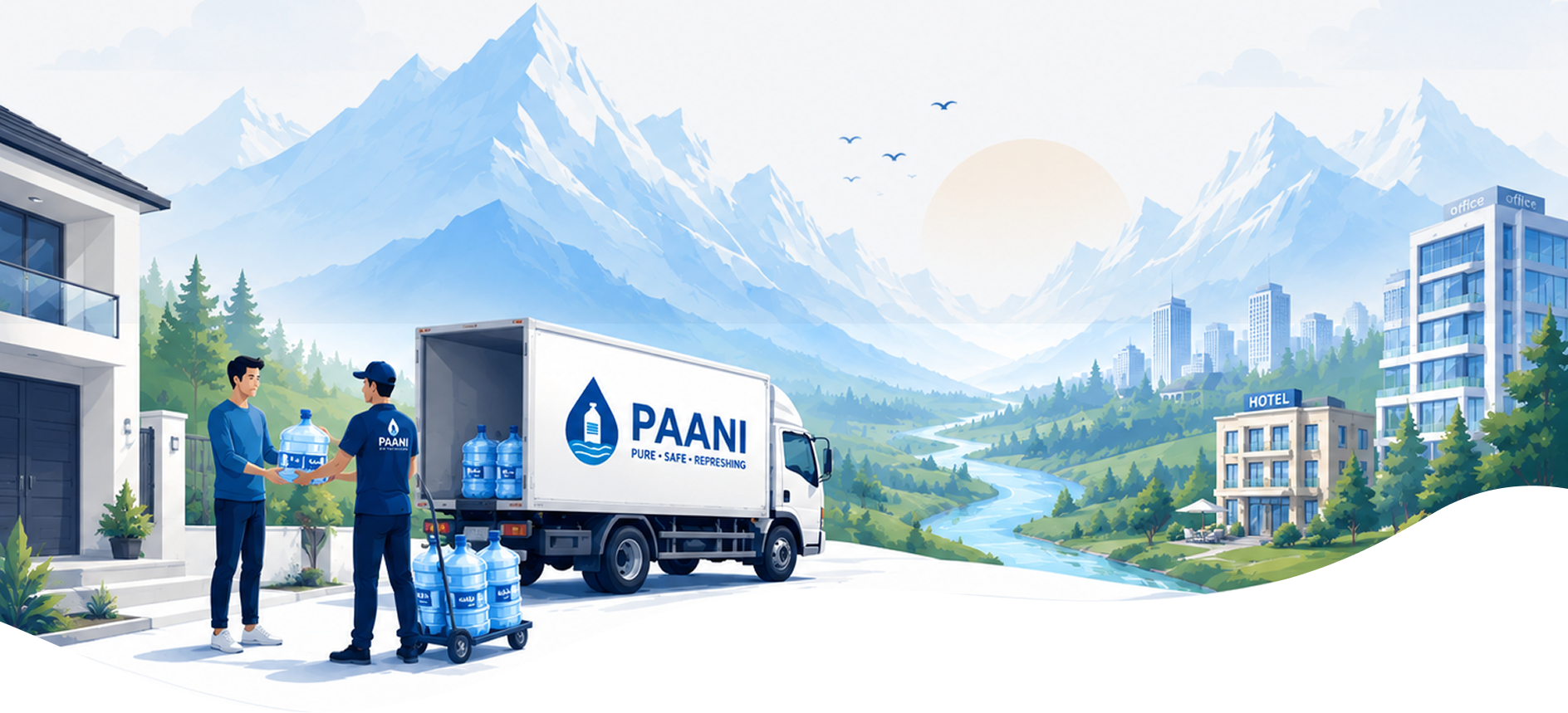
Keep your home or business consistently stocked with fresh drinking water through regular scheduled deliveries. Avoid last-minute refills and enjoy a dependable supply that fits smoothly into your everyday routine.
5. Activated Carbon Treatment
Activated carbon filters are commonly used to improve the taste and smell of drinking water. They can adsorb certain organic compounds, chlorine, and other substances that may affect water quality. This stage helps produce water that is cleaner-tasting and more pleasant to drink.
6. Bottling and Delivery
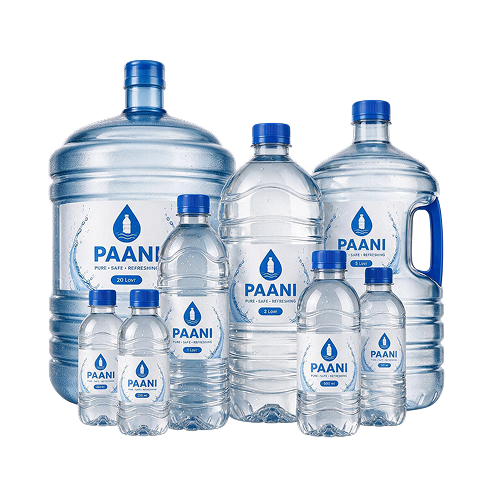
For packaged or delivered drinking water, the final stage involves hygienic filling, sealing, packaging, and distribution. Proper handling throughout this stage helps preserve water quality until it reaches homes, offices, businesses, or other customers.
7. Make Everyday Hydration Easier
Make staying hydrated simple with convenient ordering, reliable doorstep delivery, and flexible plans designed around your daily routine. With fresh water always within reach, you can enjoy a hassle-free hydration experience for your home or business.